
Welcome to Porto
Porto (Portuguese pronunciation: “portu”), also known as Oporto, is the second largest city in Portugal, after Lisbon. It was in the Porto and in the North regions that Portugal was founded in the 12th century, and the Portuguese became a people and a nation.
Porto, UNESCO Heritage city, is the gateway and departure point for a journey across the natural and cultural diversity of the region. It is known for the Port wine, which is shipped from here all over the world, but also for a heritage which combines ancient churches and monuments, such as the Cathedral and the Church of São Francisco, and modern buildings, such as Casa da Música and the Serralves Museum. And also for its School of Architecture which bred names like Álvaro Siza Vieira and Eduardo Souto de Moura, both winners of the Pritzker Prize.
The region is crossed by the Douro River, which enters Portugal between the ravines and mountains of the interior to flow through the also World Heritage Douro Valley landscape, where the Port and Douro wines are produced. From this region, the wine is sent to the warehouses at Vila Nova de Gaia, as the cruises touring the region make their way upriver.
The western part of its urban area extends to the coastline of the Atlantic Ocean. Its settlement dates back many centuries, when it was an outpost of the Roman Empire. Its combined Celtic-Latin name, Portus Cale, has been referred to as the origin of the name Portugal, based on transliteration and oral evolution from Latin.
Sightseeing
On a brief visit to Porto, there are some places that cannot be missed. In the words of many visitors, this city has something mystical that is difficult to describe and which varies according to the place, time of day and light.
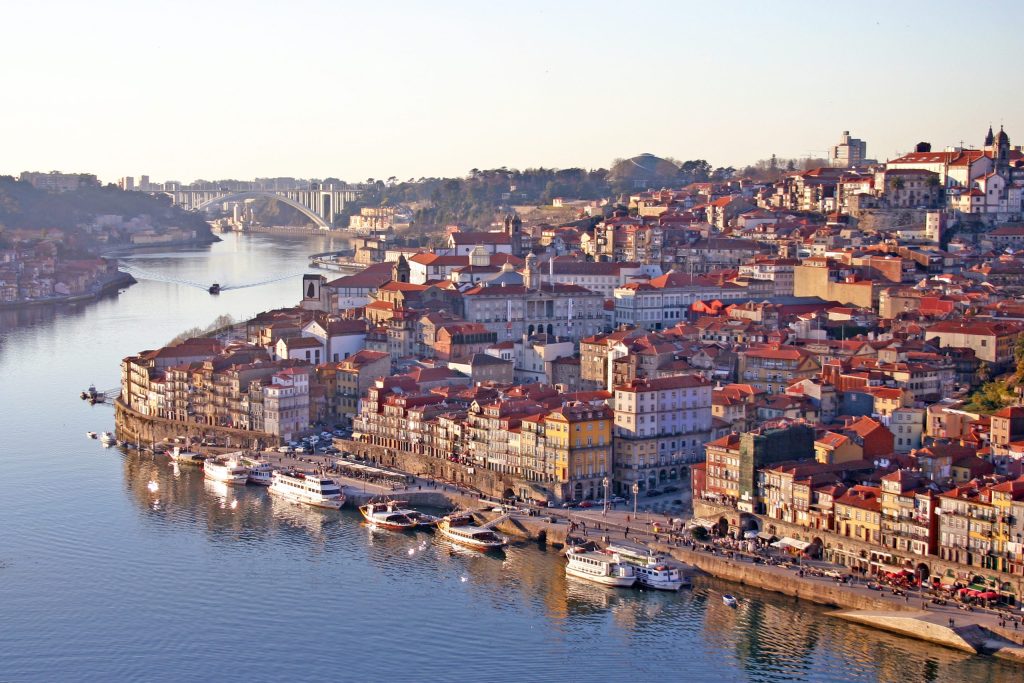
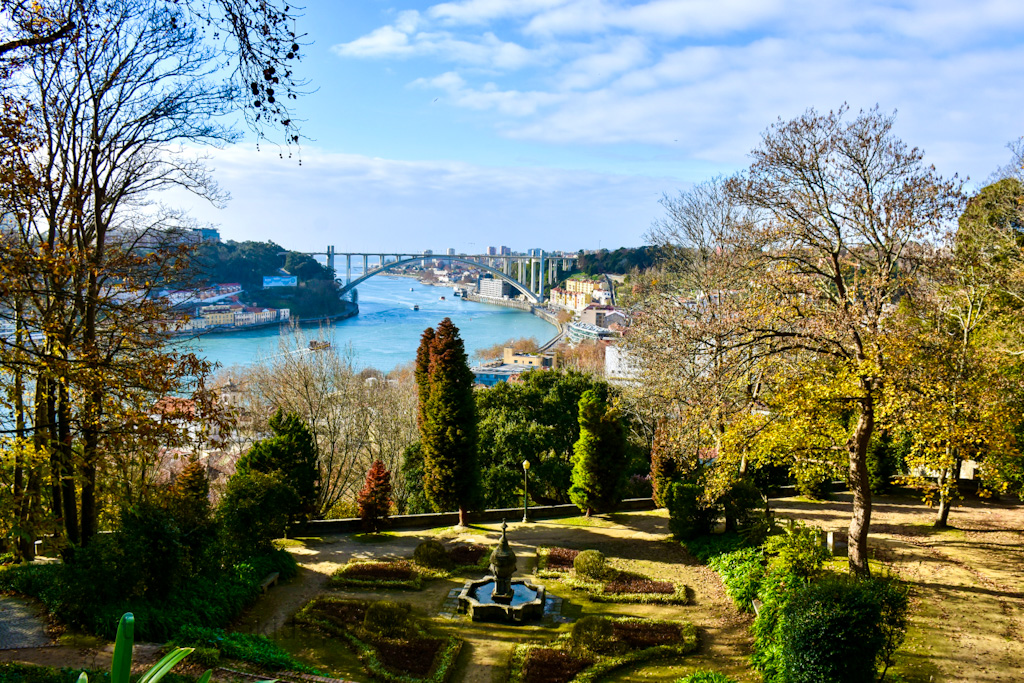
Whatever it is, it certainly has to do with its people, known to be generous and easy-going, as well as the River Douro and its heritage on both banks, with its bridges and monuments, the tiles, the flowering balconies and the shopping streets. The historic centre of Porto and the River Douro on the Gaia side, where the Port Wine lodges are located, are classified as World Heritage.
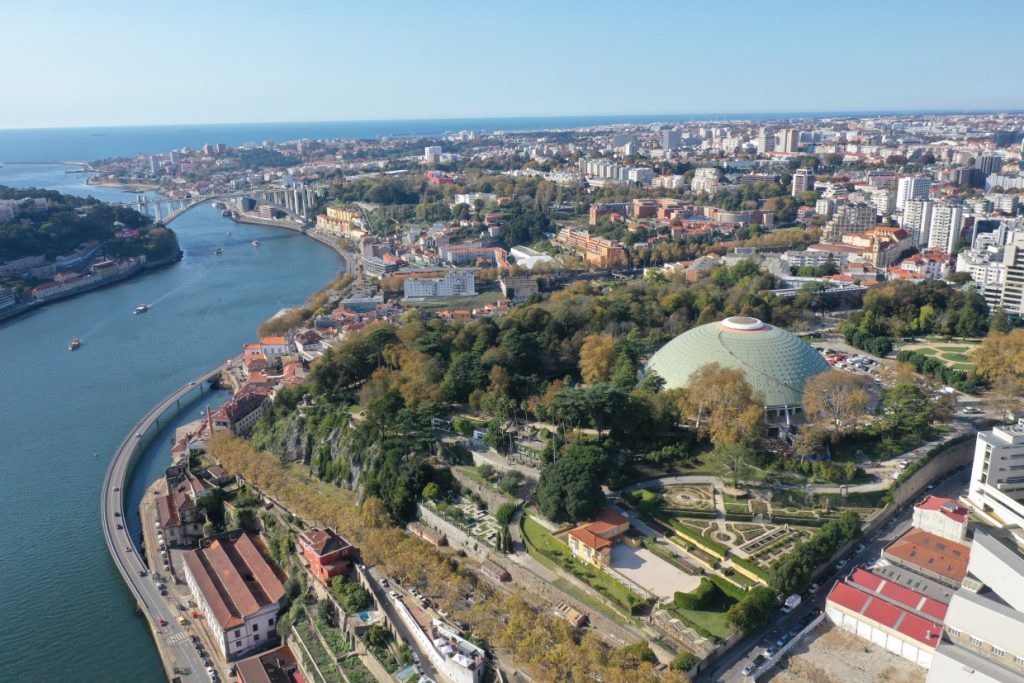
São Bento Railway Station, with its atrium lined with tiles, is an ideal starting point. Just ahead is the Cathedral, not to be missed, whose precinct offers the first view of the river, the cascading houses and the opposite bank. From there you descend by steps and mediaeval streets to Ribeira, with its café terraces and picturesque corners. It’s worth staying a little to get a flavour of the atmosphere and take in the river with the D. Luís Bridge and the opposite bank, before going on a cruise under Porto’s six bridges. Once you’ve seen the outline of the cascading houses and church towers, you will want to see the gilt interior of the Church of S. Francisco. Nearby, you can see more tile-fronted churches and monuments, and visit the Palácio da Bolsa (former Stock Exchange palace). The tram leaves from next to the river for a trip that goes to Foz (the mouth of the Douro), where you can take a stroll and fill your lungs with the sea air. Avenida da Boavista starts here, and not far away is Serralves, with its gardens to stroll or rest in and its contemporary art exhibitions.
Social Programme
Porto is a vibrant European city where history inspires innovative stories, where world-class research finds sustainable ways to highlight nature and where tradition fuels creativity. Porto has became a touristic atraction getting every year more and more visitors and winning all kinds of awards.
Given the wide variety of possibilities, for the Social Programme we recommend all attendees to contact the conference tour partner – Living Tours to enjoy what Porto has to offer!